
Volunteering with us can be a very rewarding experience and is a great way to meet new people whilst giving something back to your local community.
Our volunteers are the bedrock of the care we provide. They give invaluable support in every area of our work by sharing their interests, skills and talents to really make a difference.
Whatever your age, background, motivation or experience, there is likely to be a volunteer role at Mayfair suited to you. We do a lot to support the Strettons community and that means lot of different ways you could help.
You could be a …….
If you would like to have a chat about volunteering, please give Antony Cleobury (Cleo), our Volunteer Co-ordinator, a call on 01694 722077 or email
[email protected]
We offer students the chance to carry out work experience with us or to volunteer as part of their Duke of Edinburgh Award – or just because they think it’s important to contribute and be a valued part of their community. If that sounds interesting, please contact us for more information.
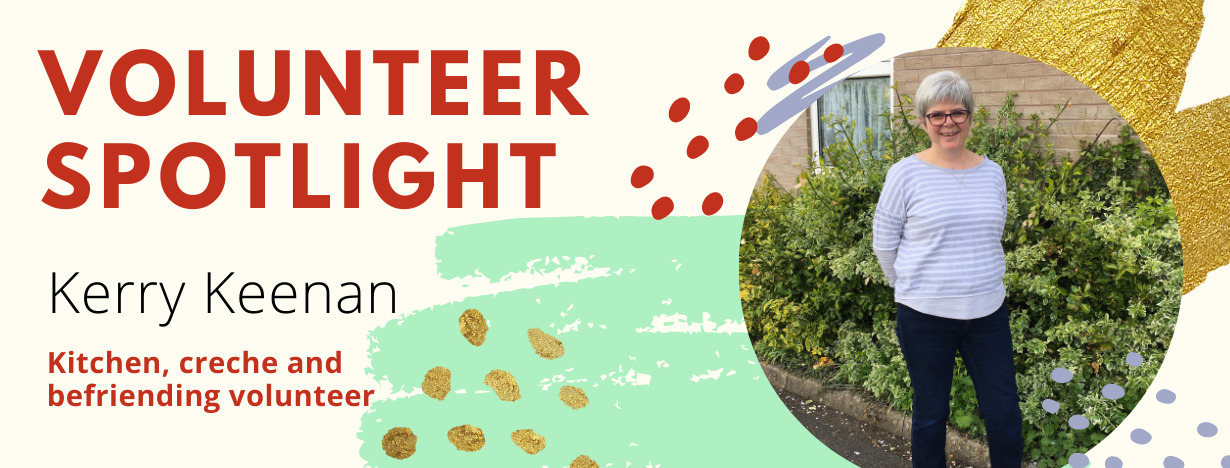
Volunteering is a good opportunity to have a go at things you maybe wouldn’t normally think of doing. It gets you out of the house, and you get to know people.
You try and help a bit. And have fun. Mayfair’s a nice, friendly place.
Everybody’s nice and I like being there and helping. It just comes down to that.’
With busy lives, it can be hard to find time to give. However, the benefits of volunteering can be enormous. Volunteering at the Strettons Mayfair Trust offers vital help to people in need in our community, but the benefits can be even greater for you, the volunteer. The right match can help you to find friends, connect with the community and learn new skills.
Giving to others can also help your mental and physical health. It can reduce stress, combat depression, keep you mentally stimulated and provide a sense of purpose. While it’s true that the more you volunteer, the more benefits you’ll experience, volunteering doesn’t have to involve a long-term commitment or take a huge amount of time out of your busy day. Giving – even in simple ways – can help those in need and improve your health and happiness.
One of the more well-known benefits of volunteering is the impact on the community. Volunteering allows you to connect to your community and make it a better place. Even helping out with the smallest tasks can make a real difference to the lives of people in need. And volunteering is a two-way street: it can benefit you and your family as much as the cause you choose to help. Dedicating your time as a volunteer helps you make new friends, expand your network and boost your social skills.
One of the best ways to make new friends and strengthen existing relationships is to commit to a shared activity together. Volunteering is a great way to meet new people, especially if you are new to Church Stretton. It strengthens your ties to the community and broadens your support network, exposing you to people with common interests, neighbourhood resources, and fun, fulfilling activities.
While some people are naturally outgoing, others are shy and have a hard time meeting new people. Volunteering gives you the opportunity to practice and develop your social skills, since you are meeting regularly with a group of people with common interests. Once you have momentum, it’s easier to branch out and make more friends and contacts.
Children watch everything you do. By giving back to the community, you’ll show them first-hand how volunteering makes a difference and how good it feels to help other people and enact change. It’s also a valuable way for you to get to know other organisations in the community, and find resources and activities you might want to make use of as a family yourselves.
Volunteering makes you happy. By measuring hormones and brain activity, researchers have discovered that being helpful to others delivers immense pleasure. Human beings are hard-wired to give to others. The more we give, the happier we feel.
Volunteering provides a sense of purpose. Older adults, especially those who have retired or lost a spouse, can find new meaning and direction in their lives by helping others. Whatever your age or life situation, volunteering can help keep you mentally stimulated and add more zest to your life.
Volunteering can help with making friends.
Volunteering helps counteract the effects of stress, anger and anxiety. The social contact aspect of helping and working with others can have a profound effect on your overall psychological well-being. Nothing relieves stress better than a meaningful connection with another person.
Volunteering can combat depression. Volunteering keeps you in regular contact with others and helps you develop a solid support system, which in turn protects you against depression.
Volunteering increases self-confidence. You are doing good for others and for the community, which provides a natural sense of accomplishment. Your role as a volunteer can also give you a sense of pride and identity. And the better you feel about yourself, the more likely you are to have a positive view of your life and future goals.
Volunteering helps you stay physically healthy. Studies have found that those who volunteer have a lower mortality rate than those who do not. Older volunteers tend to walk more, find it easier to cope with everyday tasks, are less likely to develop high blood pressure, and have better thinking skills. Volunteering can also lessen symptoms of chronic pain and reduce the risk of heart disease.
While learning new skills can be beneficial to many, it’s not a requirement for a fulfilling volunteer experience. Bear in mind, the most valuable assets you can bring to any volunteer effort are compassion, an open mind, a willingness to pitch in wherever needed and a positive attitude.
Volunteering is a fun and easy way to explore your interests and passions. Doing volunteer work you find meaningful and interesting can be a relaxing, energising escape from your day-to-day routine of work, school, or family commitments. It also provides you with renewed creativity, motivation and vision that can carry over into your personal and professional life.